Lodtunduh, Ubud: Area Guide for Long-Term Living
Lodtunduh sits just south of central Ubud on Jl. A.A. Gede Rai. The north is urban and close to town; the far south opens into rice and trees. Daily life here revolves around Titi Batu, local cafés, and short rides to Pepito Peliatan.
Lodtunduh in photos
1 / 14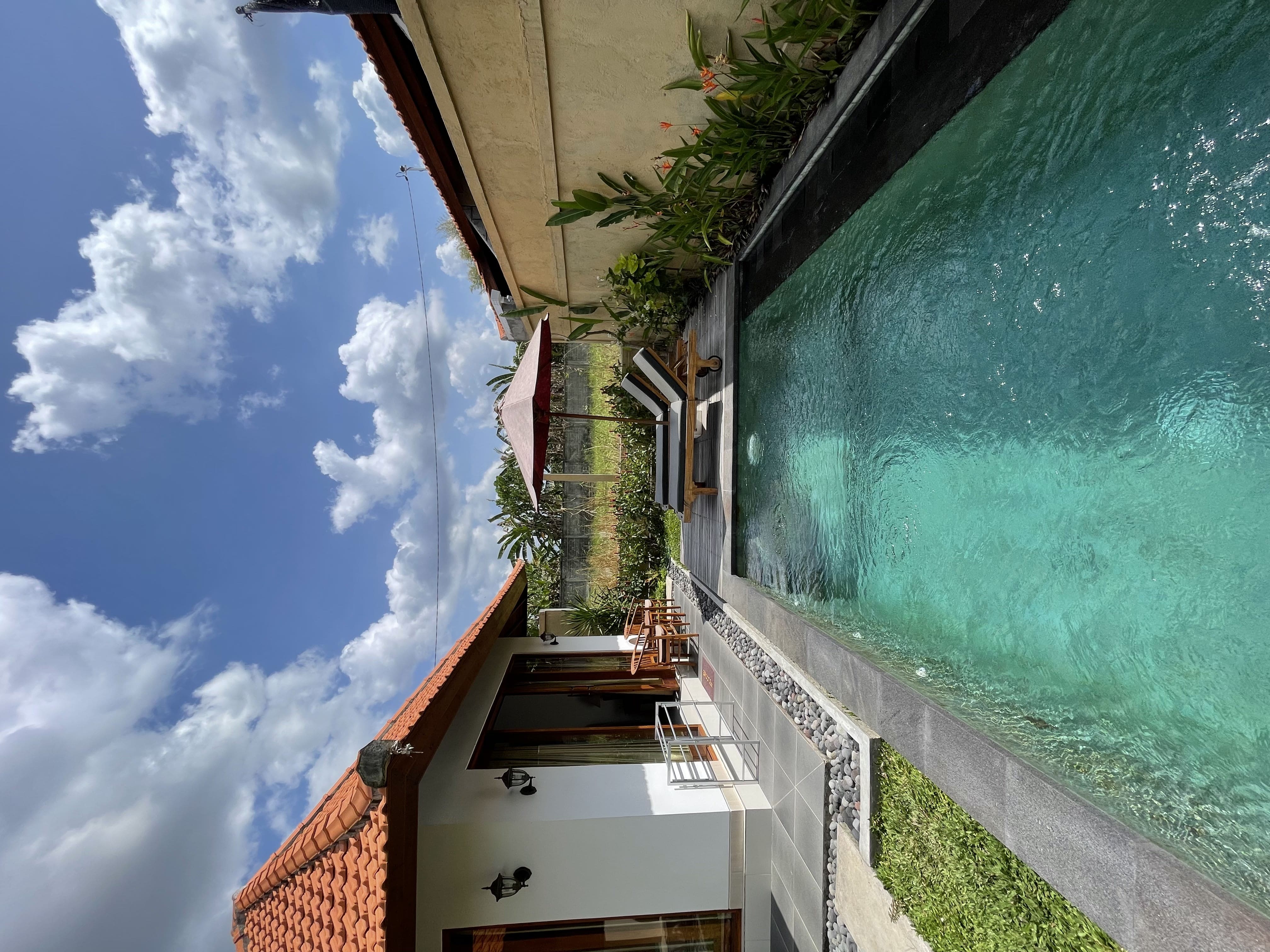
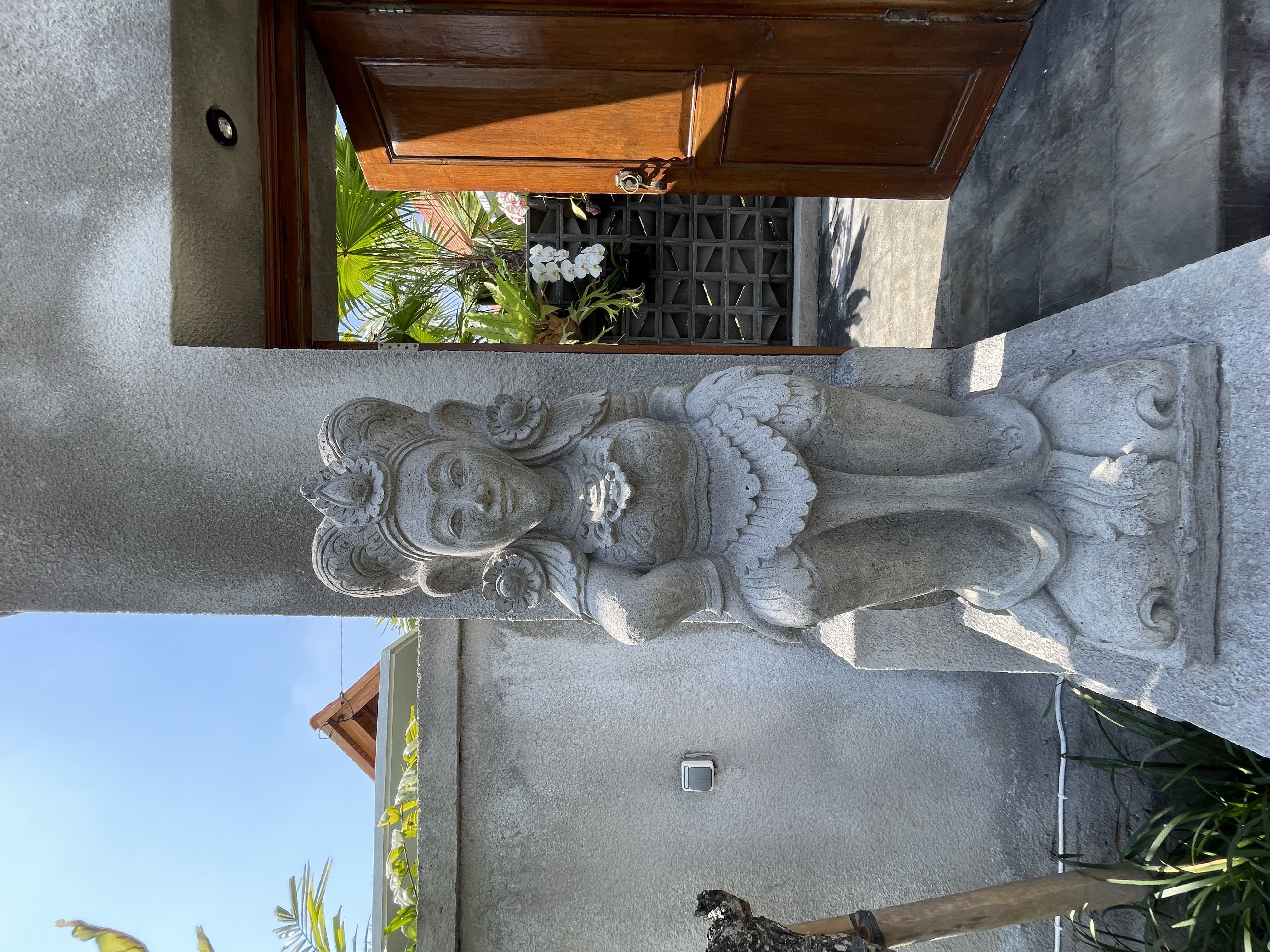
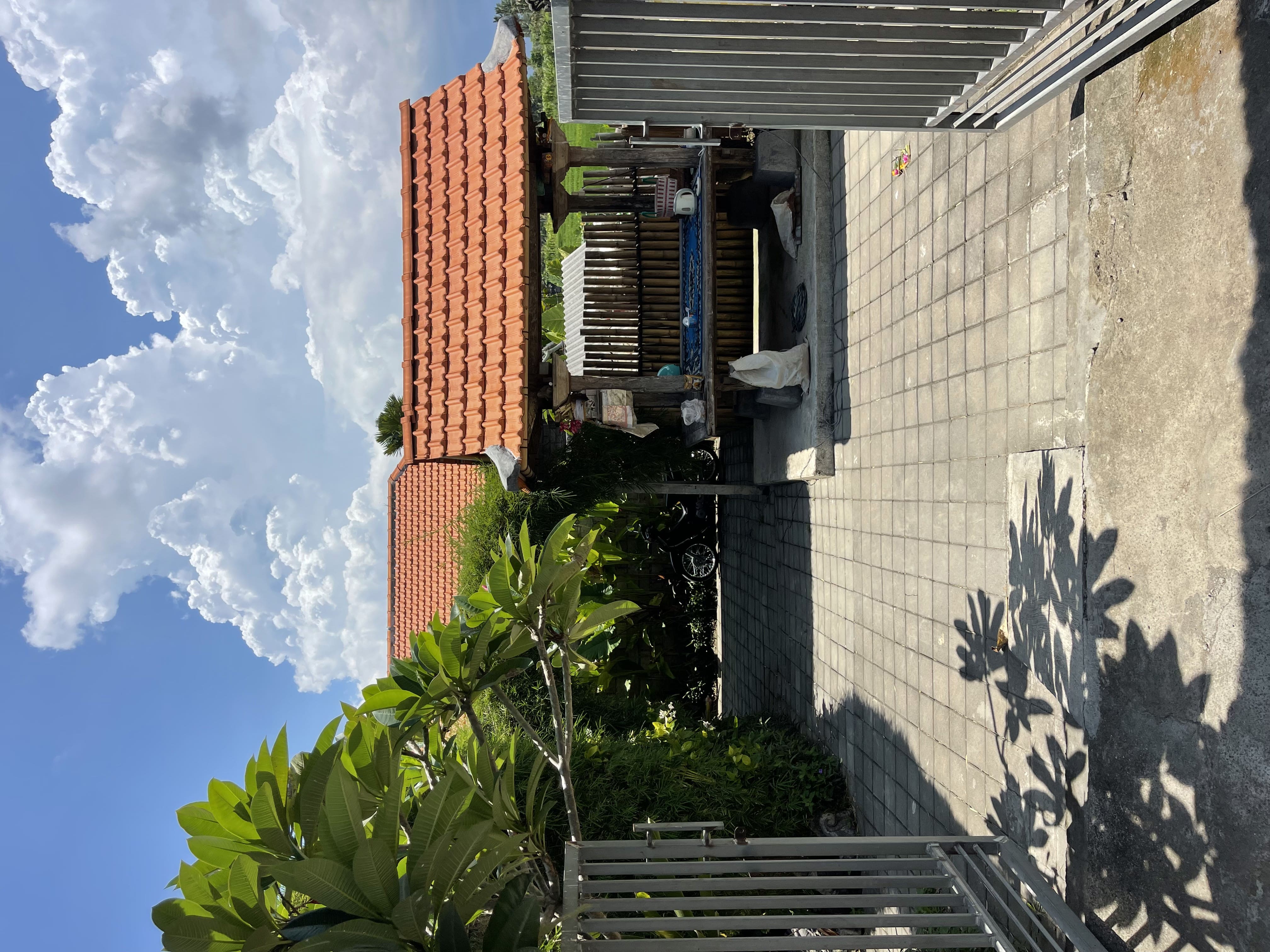
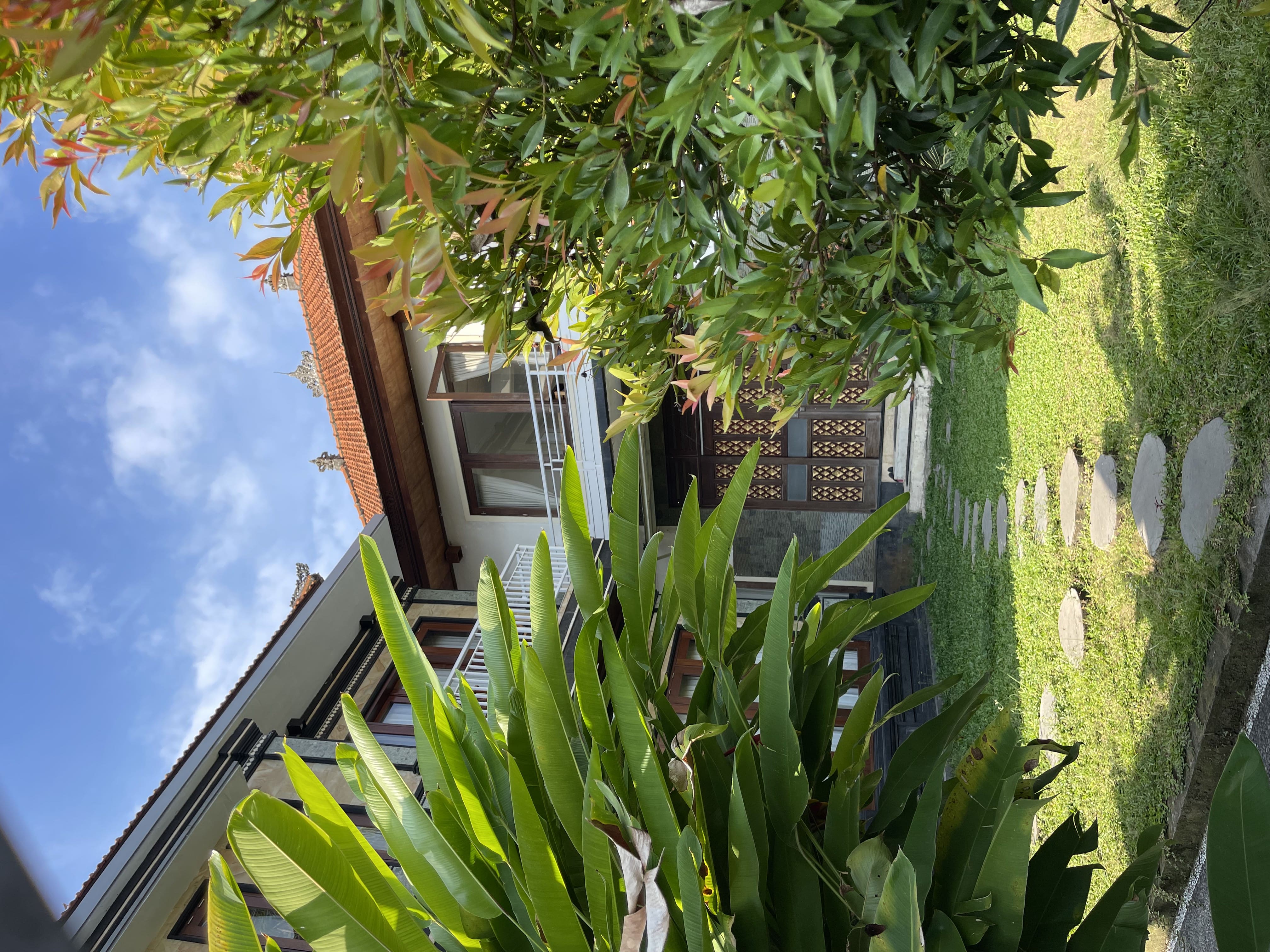
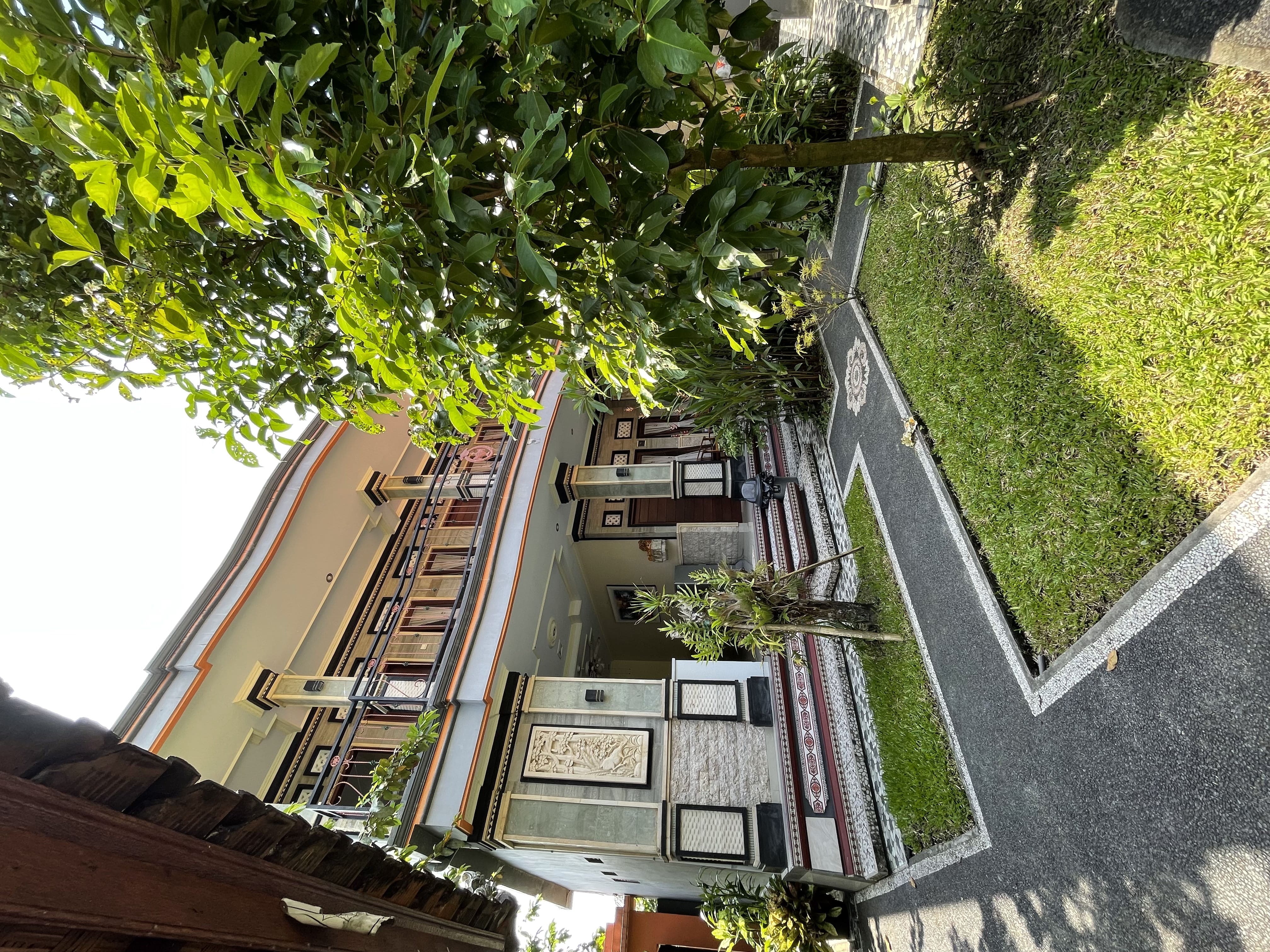
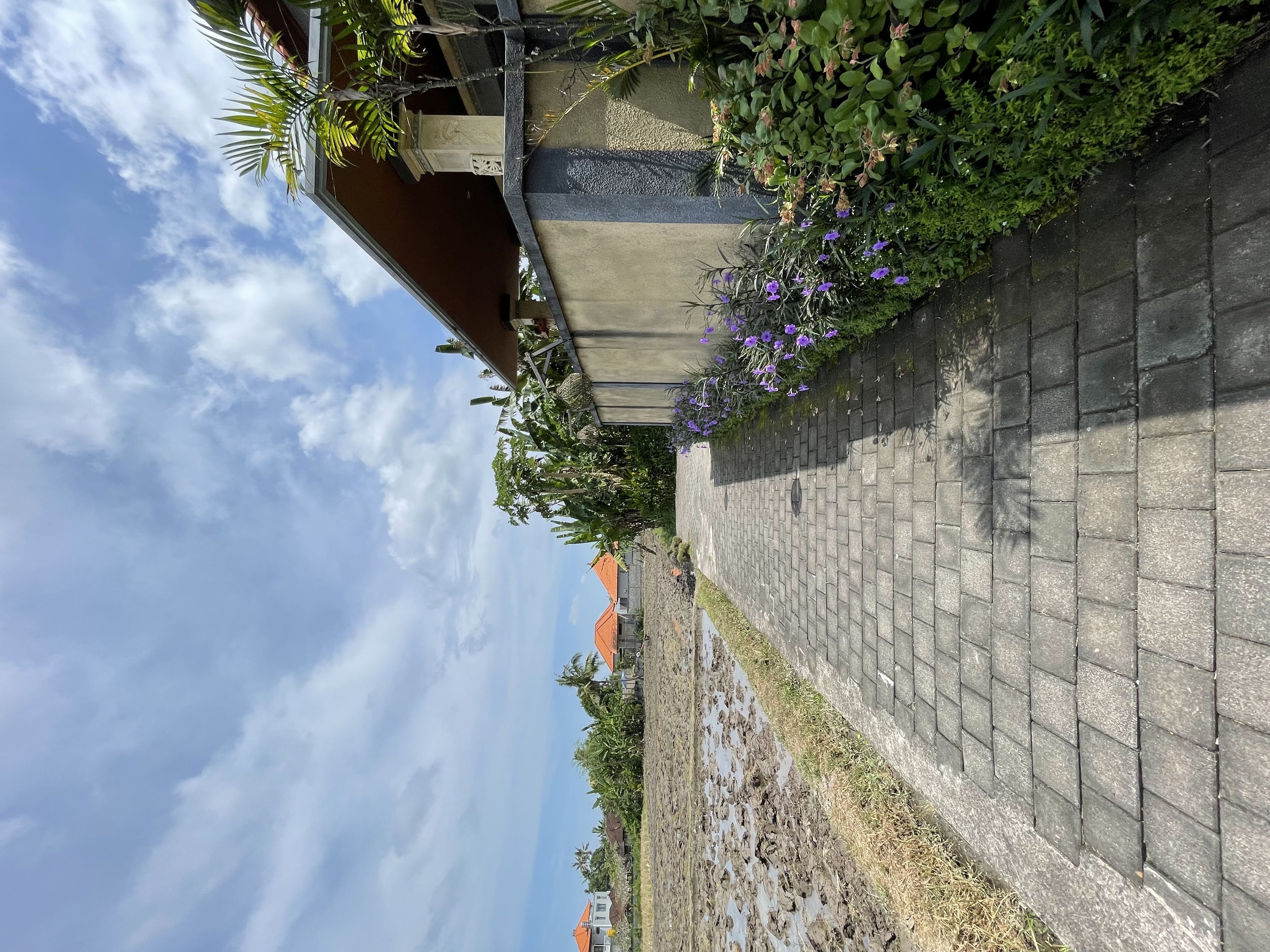
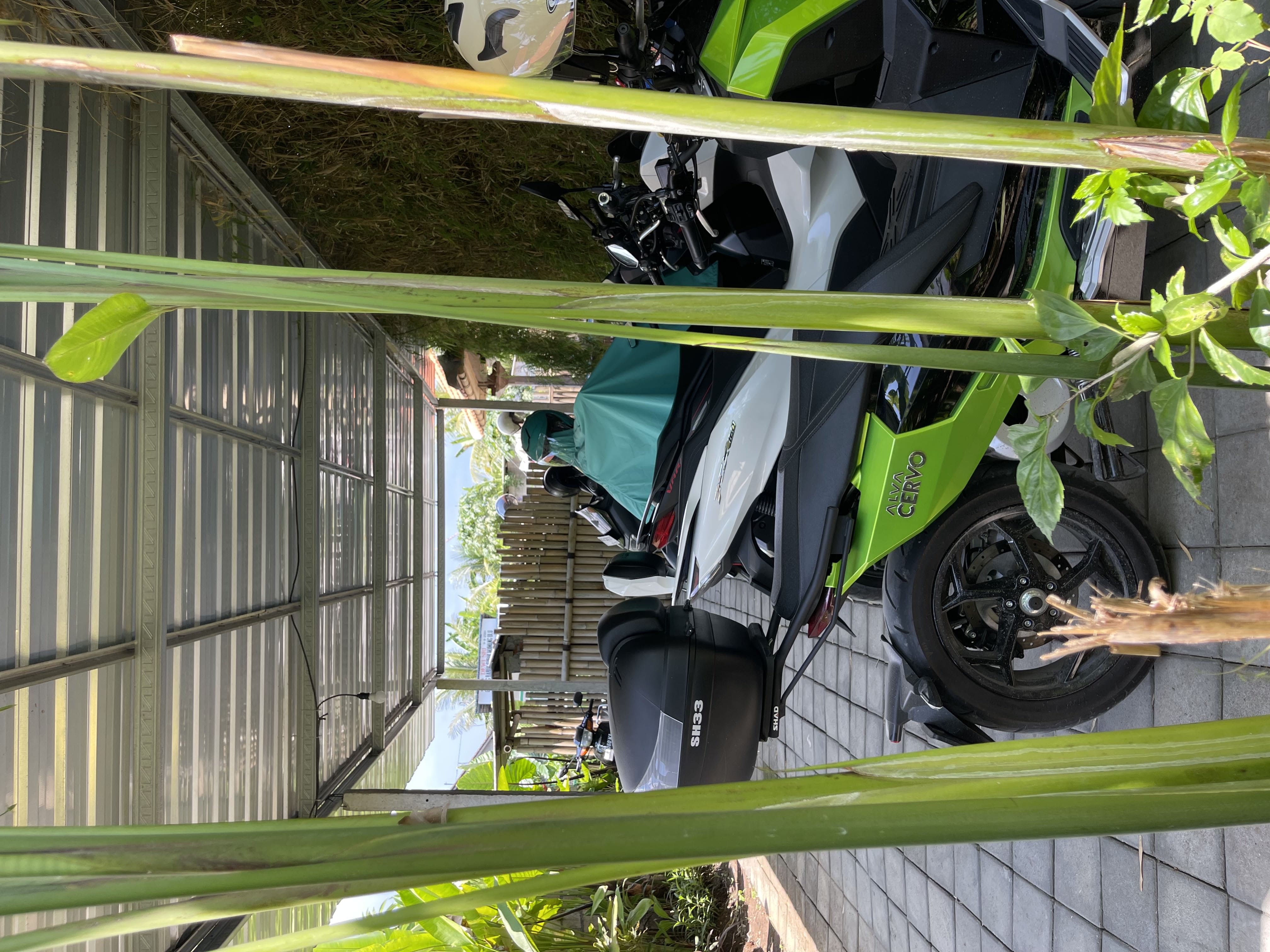
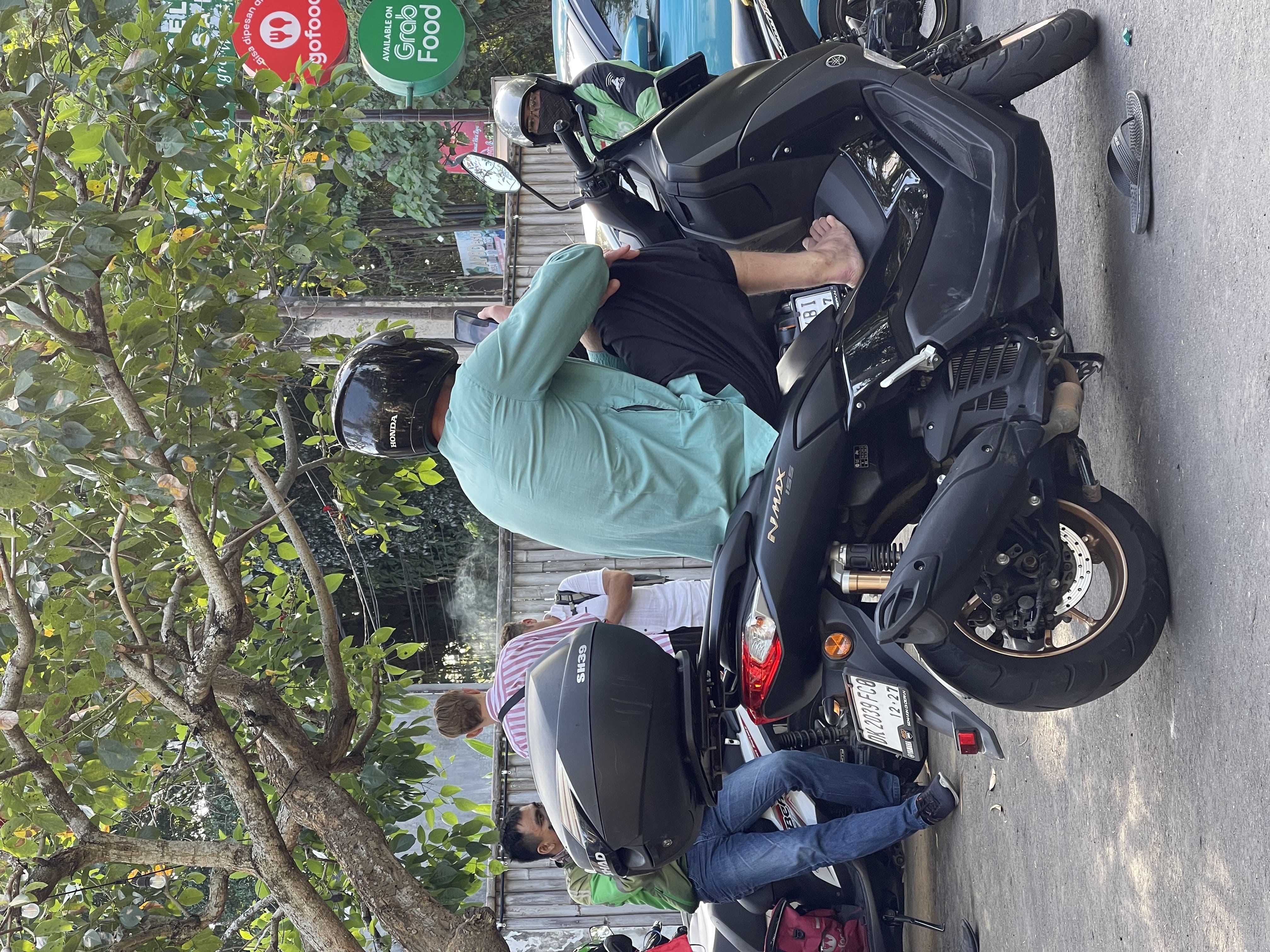
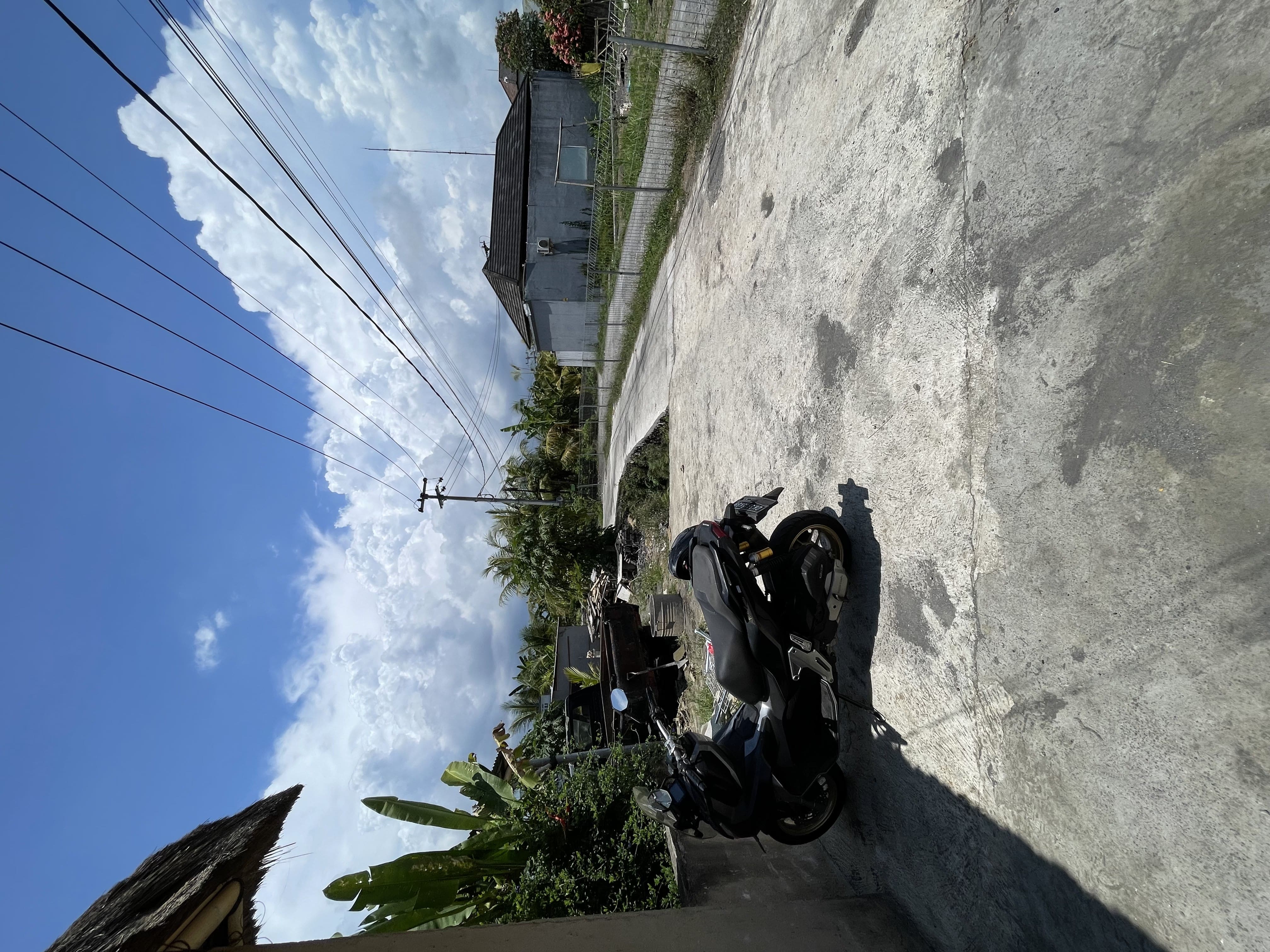
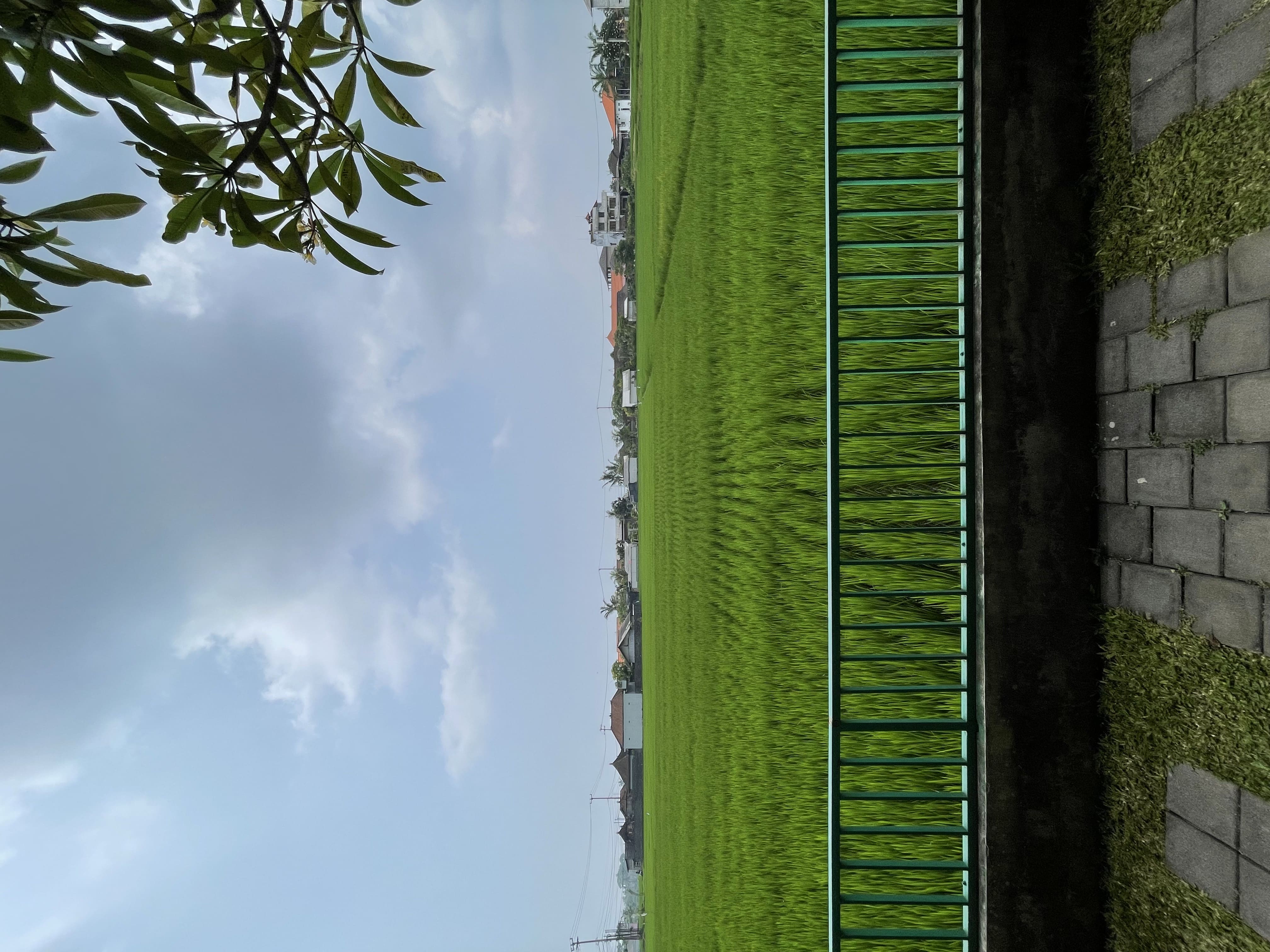
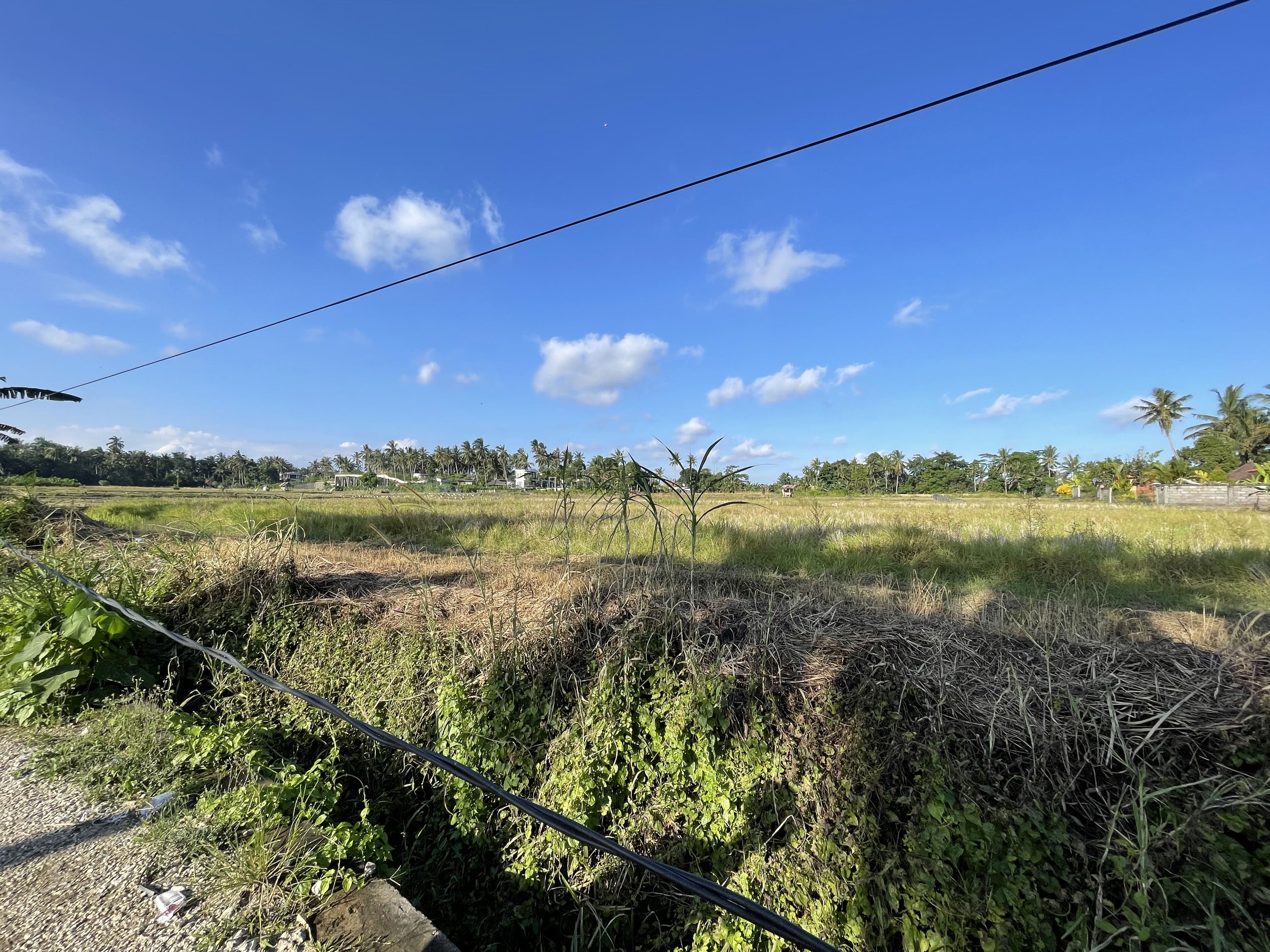
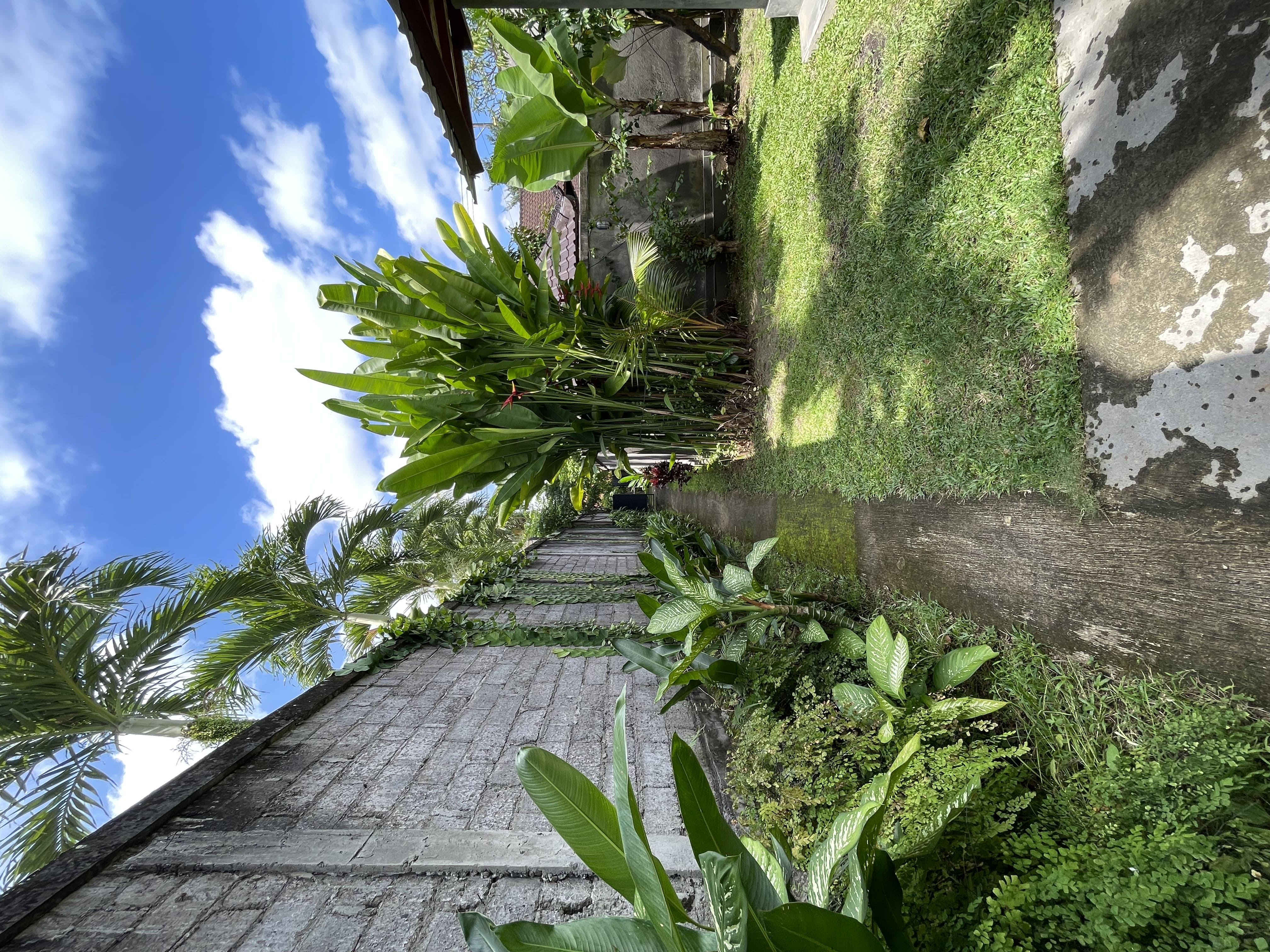
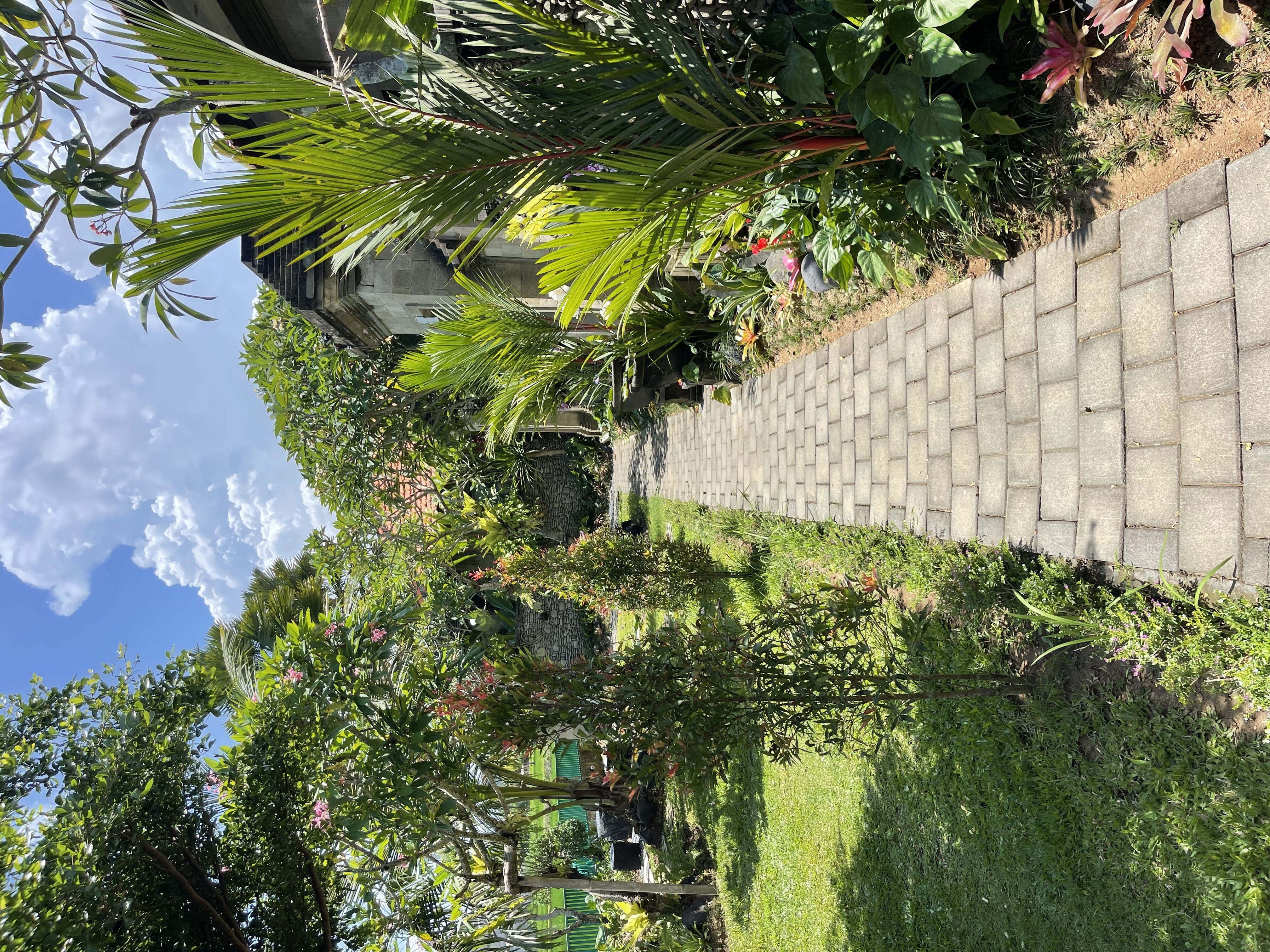
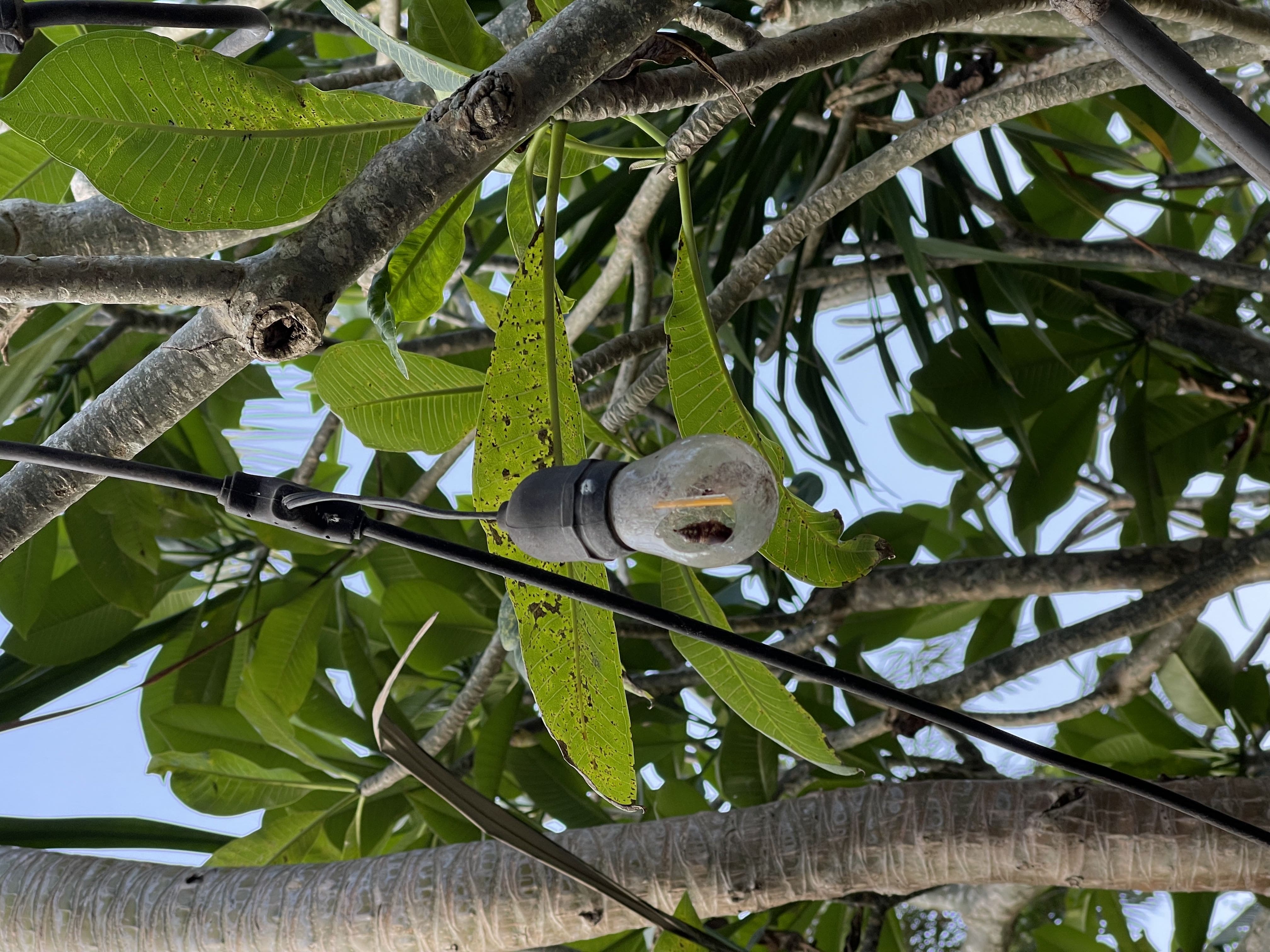
Typical 1-bedroom private villa stock in central Lodtunduh.
Swipe for more photos
Lodtunduh sits immediately south of central Ubud - one of the closest residential pockets if you want Ubud life without living on the monkey-forest hill lanes. It is not one uniform vibe: the north and central strips feel urban and built-up, while the far south opens into space, rice views, and older trees - but many villas there are 12-15 minutes from Ubud center. The area is cut by Jl. A.A. Gede Rai, which continues west toward Canggu and branches toward Jl. Raya Lod Tunduh. That road logic is the story: convenience, traffic, and choosing whether you want infrastructure at your doorstep or green at the cost of distance. Compare with Peliatan (closest Pepito) and Mas (greener south).
Geography: north, south, and the main road
Lodtunduh reads as two different areas in one name.
North and central Lodtunduh (closest to Ubud) is denser: more villa infill, more asphalt, fewer walkable green paths or parks. Daily life feels more urban - small shops, fruit stalls, fitness spots, and the main-road buzz. This is where most people end up if they want roughly 5-10 minutes to Ubud center by scooter and easy access toward Pepito Market Peliatan.
South Lodtunduh loosens up: larger plots, rice-field edges, and the green belt around The Westin Resort & Spa Ubud. You trade distance - many southern villas sit 12-15 minutes from center even though the pin still says “Lodtunduh.”
The spine is Jl. A.A. Gede Rai. Follow it south and the character shifts; turn west on Jl. Raya Lod Tunduh toward Canggu and the views open up on the island’s western side - one of Lodtunduh’s hidden strengths.
Lodtunduh on the map
Administrative boundary of Desa Lodtunduh. Pins match Google Maps / OpenStreetMap place locations where available.
Atmosphere and daily rhythm
Morning here is often scooter logistics, not a slow walk to a café hill. In the north you live among villas, warungs, fruit stalls, and the hum of a main road; in the south the day can feel like a proper home base with garden and rice outlook. Lodtunduh suits people who want Ubud access plus west-island road logic (Canggu, Denpasar) without committing to the full hills lifestyle. It is popular with families, fitness-focused renters, and long-stayers who care about the house and club/school anchors more than Instagram café density.
Places that shape daily life
Titi Batu Ubud Club is the area’s gravity point. Many renters explicitly search for housing near Titi Batu. It is a members-and-day-pass club - not a pretentious resort - with a 25 m lap pool, family pool, air-conditioned gym (Panatta equipment), sauna/steam/cold plunge, kids’ playroom, skate park, sports courts, healthy café food, and space to work or unwind. A newer padel/tennis court sits nearby. You can eat at the restaurant without buying a day pass if you are not using facilities - check their current rules before you go.
On the same corridor: Waybu Coffee & Eatery and the tiled lane around Titi Batu - one of the few stretches where you can actually walk off the main road.
On the main crossroads cluster: Usha Cafe and Bakery - a long-standing, unpretentious favorite (including Russian dishes and bakery items); 7AM Bakers, a reliable chain bakery that opened recently on the intersection; and across the road Ubud Fitness and CrossFit Ubud in a low valley with trees.
Other anchors: Bebek Tebasari Resto - an older restaurant with huge parking (tour buses still stop); Pelangi School (International) - a family draw near the Titi Batu corridor; affordable fruit stalls on Jl. A.A. Gede Rai; and personal favorite Bu Ayu’s fruit shop - worth visiting for fruit and a genuinely warm local welcome.
Errands Lodtunduh does not host: no full-size Pepito, Bintang, or Delta inside the pocket. Nearest big shop is Pepito Market Peliatan (Peliatan, toward center). Petrol: typically Peliatan (near Pepito) or further south toward Mas/Denpasar - not in central Lodtunduh itself.
Boundary note: On official maps, places like Titi Batu, Usha, 7AM, and Pelangi School often sit under Mas - Mas is traditionally the larger, greener, more “southern” village. In daily life, long-stayers treat this strip as Lodtunduh’s practical south-Ubud corridor because it feels closer to center and the A.A. Gede Rai spine. Mas itself - deeper, leafier, further from town - is covered in our Mas area guide.
Atmospheric corners (author picks)
Jl. A.A. Gede Rai from Usha north to the Ambarawati crossroads - straight, lively, small shops, and a “runway” feel when traffic clears; it flows into the fitness valley below.
The Ubud Fitness / CrossFit / Usha low pocket - a dip with trees; surprisingly green for such a central strip.
The full Titi Batu lane - paved tiles, walkable, set back from the noisy main road; club life without highway stress.
Westin surroundings - big old trees, rice-field exits, a river valley, and the kind of “old Ubud scale” that newer villa lanes lack.
Jl. A.A. Gede Rai south from Bu Ayu’s fruit shop - scenic and fast when open; further south, rice views open up.
Personal tip: say hello at Bu Ayu’s - Ayu is one of those people who make a neighborhood feel human.
Noise, ceremonies, and construction
Lodtunduh is not a silence pocket in the north. The Ambarawati × A.A. Gede Rai intersection is a serious crossroads - traffic queues, horns, and exhaust at peak hours. Right turn leads toward Mas; left and down connect toward Denpasar and Canggu. Temple days, roosters, and villa construction still apply everywhere in Ubud. Set-back villas on parallel lanes can be fine; villas fronting the spine or intersection need a honest morning-and-evening viewing. The Titi Batu tile lane and Westin green belt are usually calmer than the main-road strip.
Roads and access
Lodtunduh’s strategic advantage is location on the way out of Ubud toward the west. For Canggu runs, this is often the most practical Ubud-side base - only Sayan competes on “west exit” logic, with a different hill character. Toward Ubud center, expect roughly 5-10 minutes by scooter from northern Lodtunduh (traffic dependent). Toward Canggu, plan 35-50+ minutes depending on time of day - not close, but easier to commit to from here than from north Ubud hills. Jl. Raya Lod Tunduh west can be scenic. Southern Lodtunduh adds distance: 12-15 minutes to center is normal. Most residents use a scooter daily; walking works only in short pockets (Titi Batu lane, some side paths) - not for full errands.
Internet and remote work
Remote work is common, but internet quality is villa-specific - test Wi‑Fi on site, ask about power backup, and prefer enclosed living if you work through wet season. Titi Batu offers a social backup for café/work days; your villa should still stand alone for daily calls. Northern denser lanes may have more construction noise that interrupts outdoor calls - check your work hours against neighborhood activity.
Rental prices and value
Lodtunduh often delivers strong value for south-Ubud convenience - especially 1-2 bedroom private villas - with more supply of actual homes than guesthouse-style stock. Prices move with bedrooms, pool, enclosed kitchen/living, finish level, and exact micro-location (north vs deep south), not the area name alone.
On listings we currently publish (general guidance, not a market survey):
1 bedroom with pool: often around IDR 13-15 million/month on monthly terms. Yearly deals near IDR 9-10 million/month effective are realistic only with upfront annual payment.
2 bedrooms: roughly IDR 15-20 million/month on monthly terms; premium layouts can reach IDR 25-28 million/month.
3 bedrooms: fewer data points; expect IDR 25-30+ million/month when pool and enclosed living are included.
What you get for the money: northern pins trade greenery for access; southern pins trade distance for space, rice outlook, and calmer lanes. Monthly vs yearly: when both exist, yearly often reduces the effective monthly cost - verify what is included (cleaning, pool, Wi‑Fi, electricity caps). Always view before paying; photos rarely show intersection noise or lane condition after rain.
Need help shortlisting by budget and lane preference? Send a request or browse yearly Lodtunduh villas.
Quick reference
Pros
Among the closest south-Ubud pockets to central Ubud (north/central pins)
Best practical Ubud-side access toward Canggu and west-Bali roads
Strong everyday anchors: Titi Batu club, Usha, 7AM, fitness cluster
Pelangi School (International) for families
Good supply of 1-2 bedroom private villas; fewer guesthouses than central hills
Often accessible pricing vs premium west-hill outlook areas
Scenic southern lanes and Westin green belt for space seekers
Cons
Urbanized north/central strip - less nature, fewer walkable green paths
No Pepito/Bintang/Delta inside Lodtunduh; errands in Peliatan or center
Ambarawati crossroads traffic and heat on the main asphalt spine
Slightly hotter/drier feel than hill pockets like Tegallalang (micro-location dependent)
No petrol in central Lodtunduh - plan Peliatan or south Mas
Deep south villas: 12-15 minutes to Ubud center despite “Lodtunduh” label
Who Lodtunduh is best for
Renters who want Ubud close but need a fast west-island road (Canggu/Denpasar logic)
Families using Pelangi School or Titi Batu kids’ facilities
Fitness-focused long-stayers (Titi Batu, Ubud Fitness, CrossFit cluster)
Remote workers prioritizing villa value and club backup over café-hill walks
People comparing Lodtunduh vs Peliatan vs Mas for south/east Ubud - see all three guides
Not ideal if you need walk-everywhere café life or hill-green silence on day one
FAQ
Is Lodtunduh good for long-term living in Ubud?
Often yes - if you choose north/central for access or south for space knowingly. It works well for families, fitness-focused renters, and people who want private villas without central-hill pricing. Pick micro-location carefully around the main road and intersection.
Is Lodtunduh close to Canggu?
It is one of the better Ubud-side bases for Canggu runs - expect roughly 35-50+ minutes by scooter depending on traffic, not a daily commute for most people but practical for weekly trips. Sayan is the other west-exit comparison.
Should I rent near Titi Batu?
If club life (pool, gym, kids, social workspace) matters to you, yes - many renters anchor there deliberately. Verify noise from the main road vs the tiled side lane; walk the lane at the times you will actually be home.
How far is Lodtunduh from supermarkets and Ubud center?
No large Pepito/Bintang/Delta inside Lodtunduh. Most people ride to Pepito Market Peliatan for a full shop (often ~5 minutes from northern pins) and allow 5-10 minutes to Ubud center traffic depending. Deep south adds 12-15 minutes.
Is Lodtunduh quiet compared to central Ubud?
South and set-back lanes can be calm, but the Ambarawati × A.A. Gede Rai intersection is busy and the north feels urban - not a nature silence pocket. Always view morning and evening.
Lodtunduh vs Mas - which is closer to Ubud?
Daily-life feel: this corridor is Lodtunduh - closer to center on the A.A. Gede Rai spine. Official Mas village extends greener and further south; many maps label Titi Batu/Usha as Mas even though renters treat them as Lodtunduh’s backyard.
What villa types are common in Lodtunduh?
Mostly private 1-3 bedroom villas; 2-bedroom family layouts are common. Pool and enclosed living vary - verify on site. Guesthouse-style stock is lower than in central tourist lanes.